
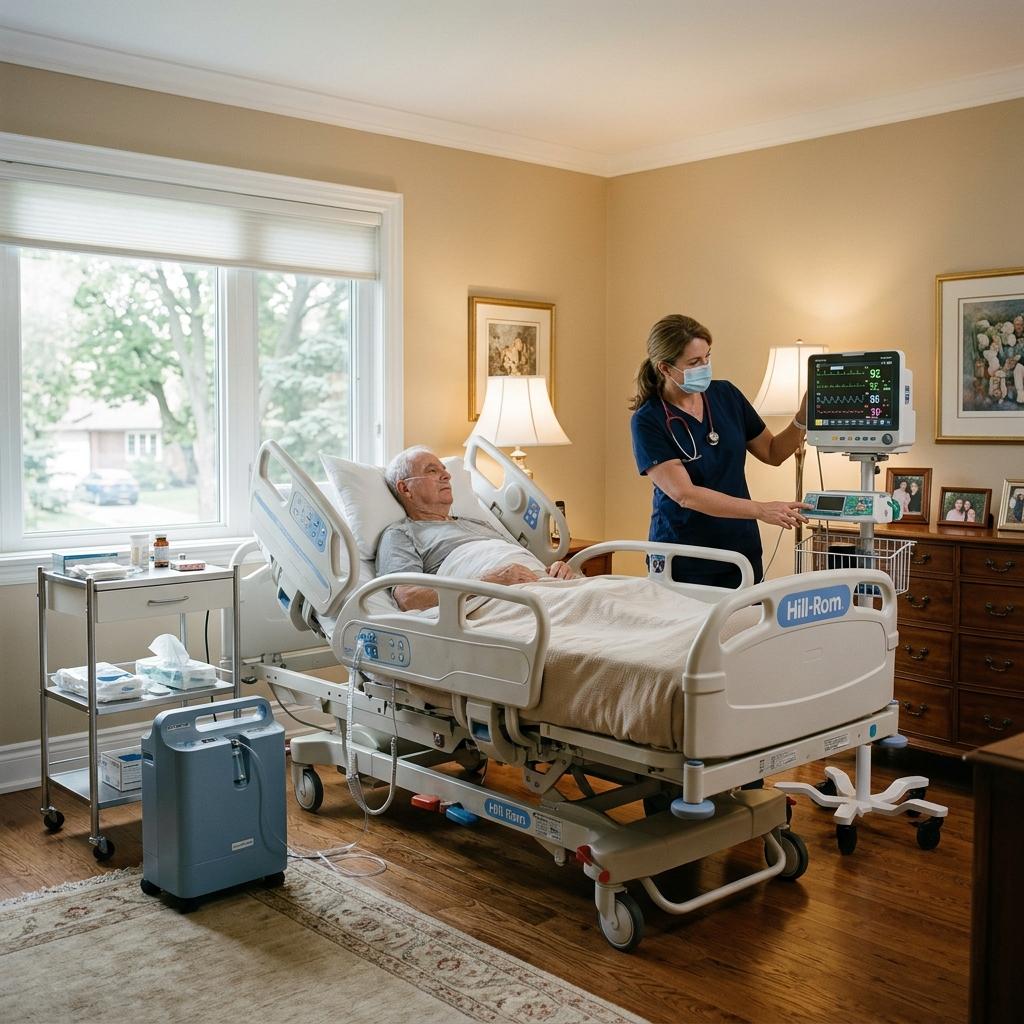
Vital signs are the body's earliest distress signals. Minor shifts in blood pressure, heart rate, or oxygen saturation often precede clinical decompensation by 24 to 48 hours.
The Critical Importance of Vitals Monitoring in Home Healthcare
Why tracking SpO2, blood pressure, pulse, and temperature twice daily at home prevents emergency ICU admissions in Pune.
2026-05-15 3 min readBy Sister Sunita Deshmukh, Head of Nursing Medically Reviewed

Maa Seva Clinical Services
Need Experienced Clinical Care at Home?
100% police-verified GNM/B.Sc nurses and ICU equipment deployed within 90 minutes across Pune and PCMC.
Recommended Reading
View All Guides Related Family Care Guides
2026-04-28•5 min read
Cost of ICU at Home in Pune (2026 Guide) — Equipment & Nursing Rates
Detailed breakdown of ICU setup costs at home in Pune vs private hospitals. Understand ventilator, monitor, and 24/7 ICU nurse pricing.
2026-04-25•4 min read
Home Nursing vs Hospital Care in Pune: Which is Better for Recovery?
Comparing clinical outcomes, infection risks, emotional well-being, and cost between private hospitals and at-home nursing care in Pune.
2026-04-22•4 min read
How to Choose the Right Home Nurse in Pune: 7 Essential Verification Checks
Crucial checklist for hiring a certified, reliable, and trustworthy home nurse in Pune. Verification, nursing council registration, and shift protocols.